


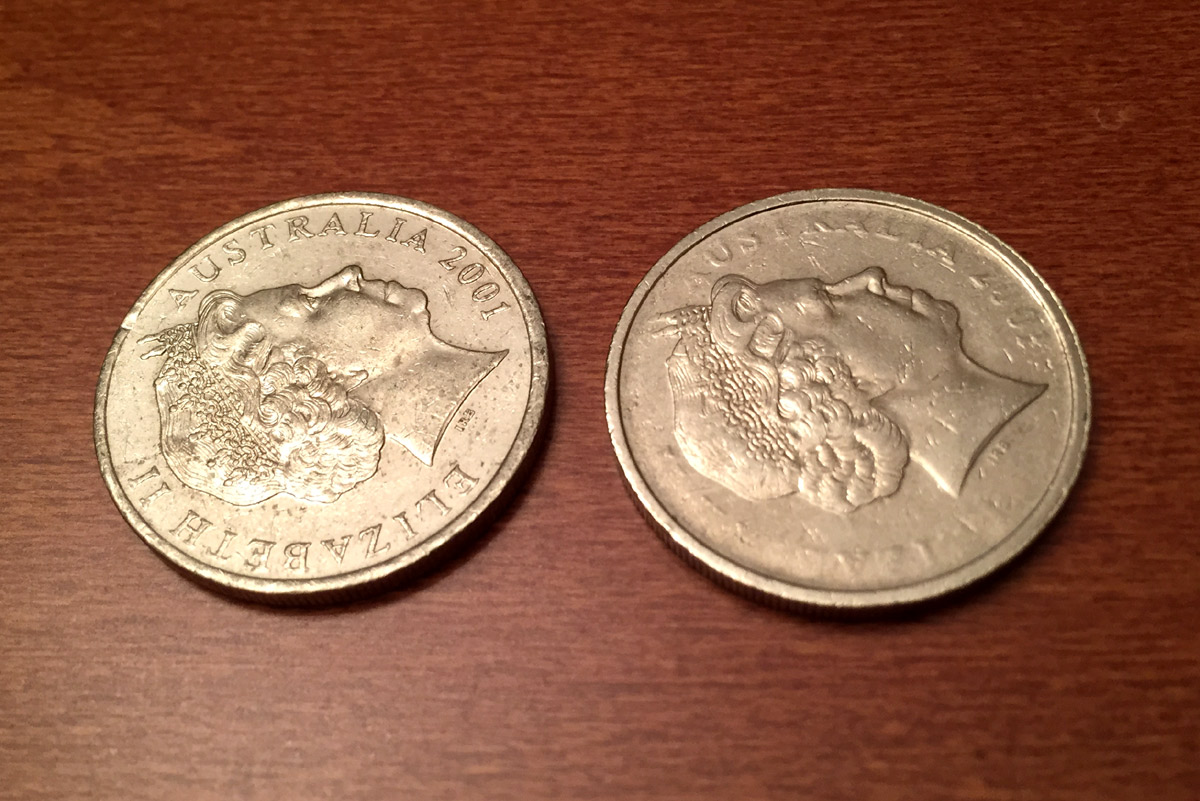
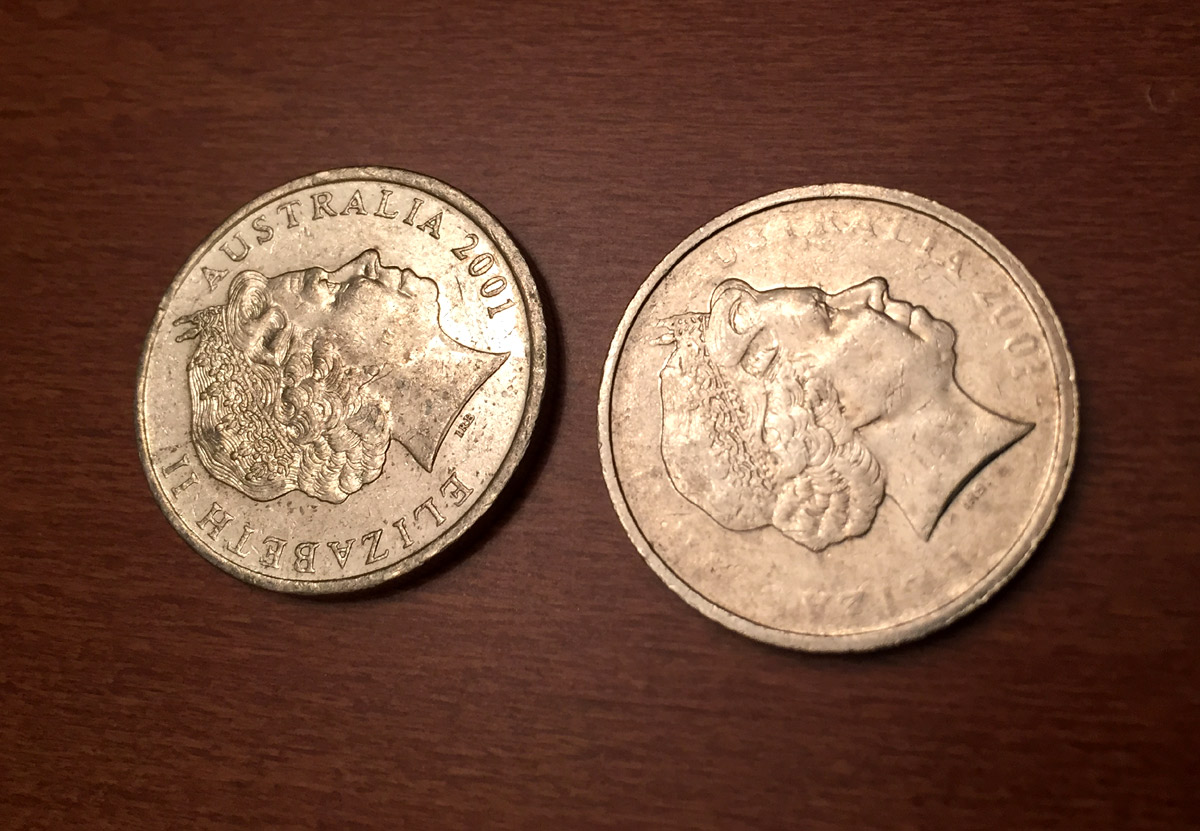
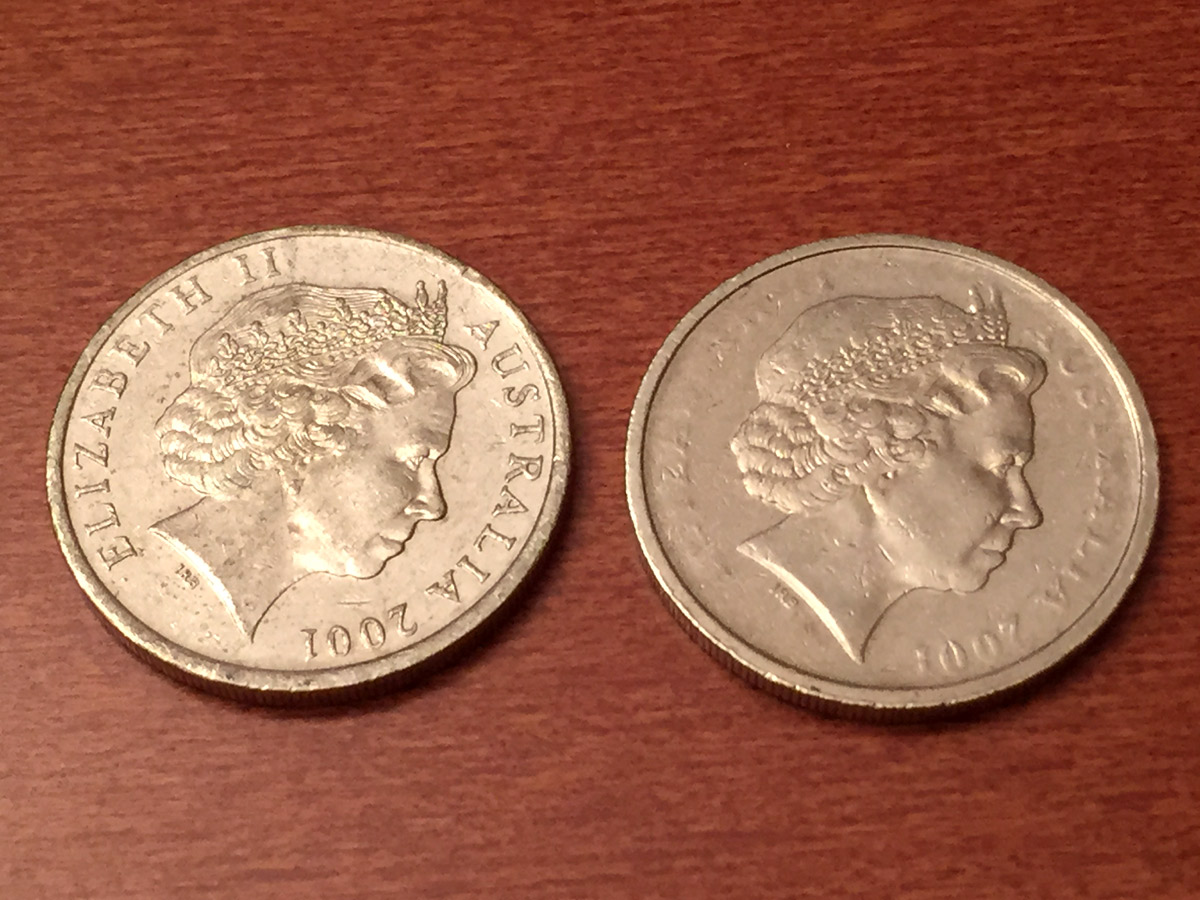
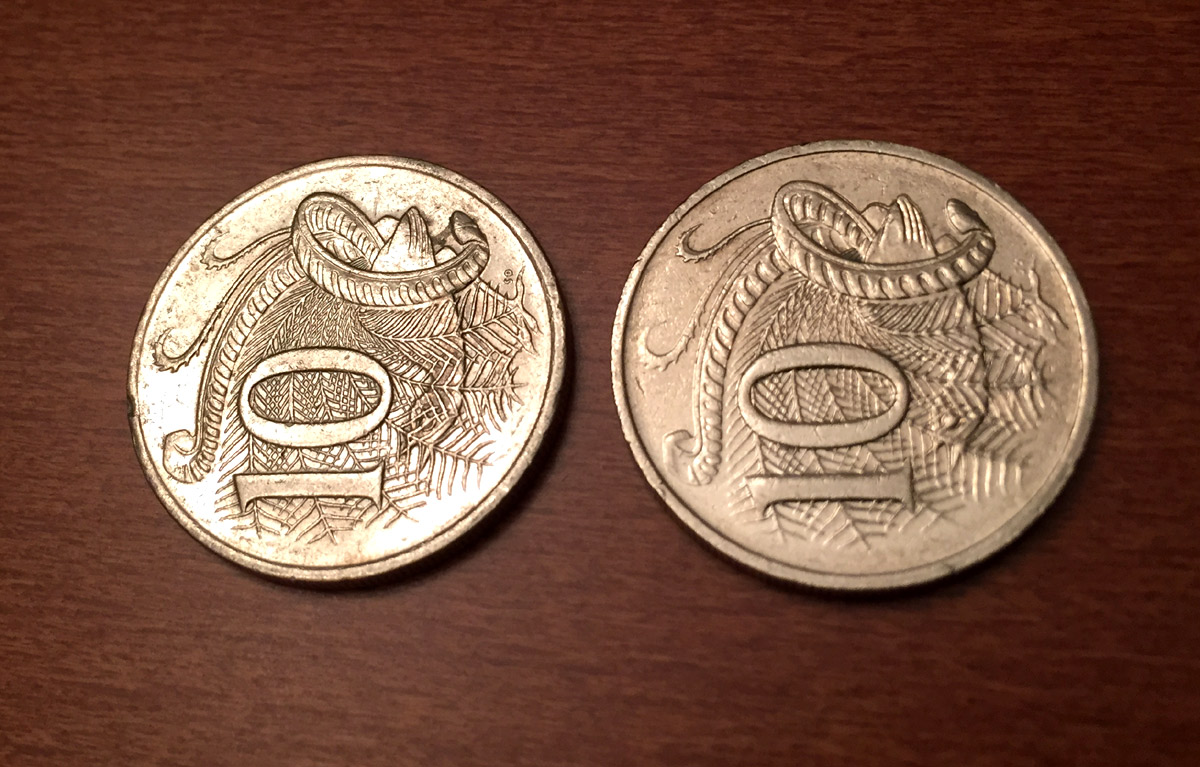
Quote from: 'Nevol' pid='60996' dateline='1413493856'Probably a grease filled die. When that much of the legend is affected, it's a keeper. :acute:
Thanks for that Nevol....good to hear that you think itt's a die filled error too...:yahoo:
This section allows you to view all posts made by this member. Note that you can only see posts made in areas you currently have access to.
Quote from: 'Nevol' pid='60996' dateline='1413493856'Probably a grease filled die. When that much of the legend is affected, it's a keeper. :acute:
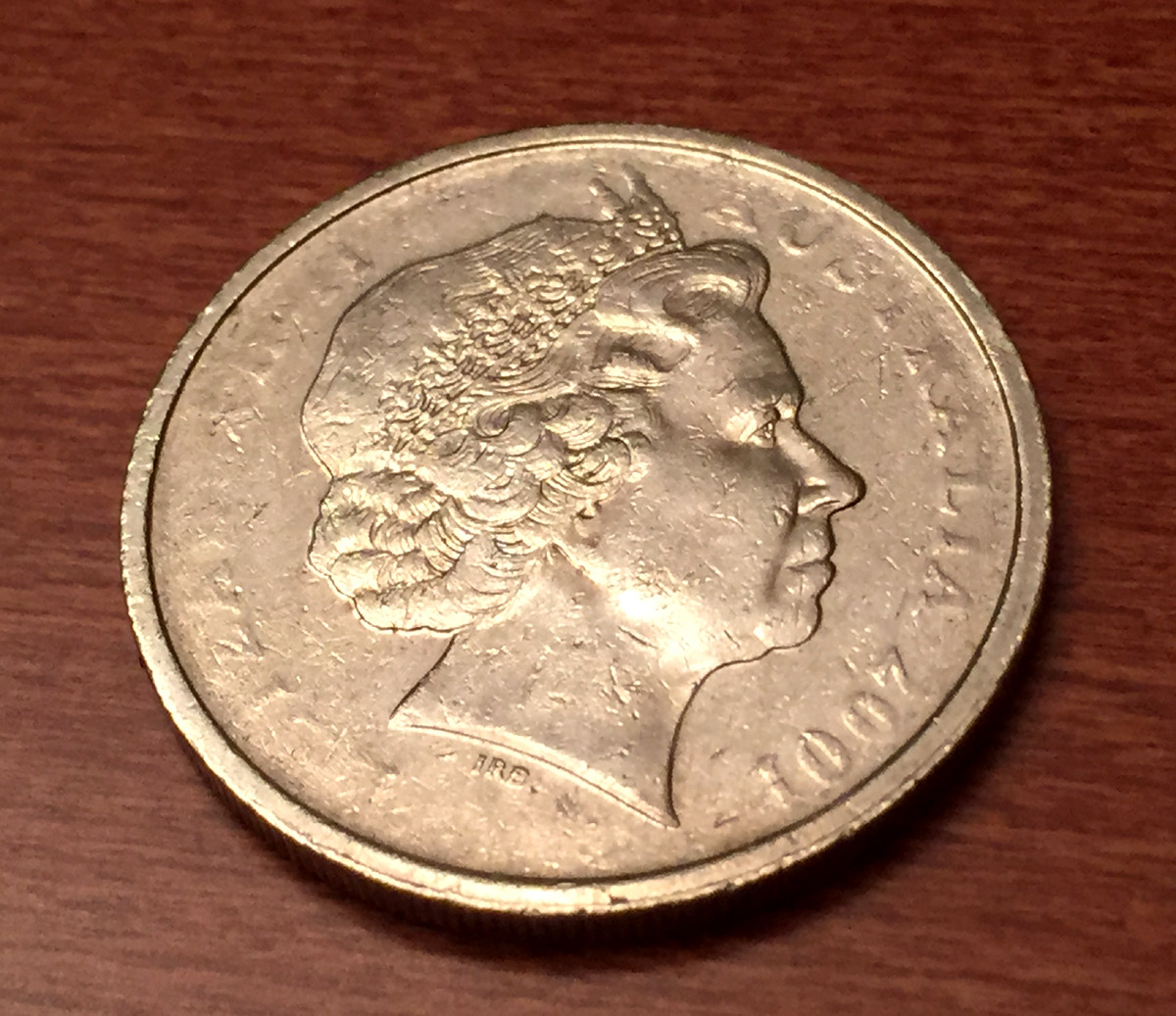
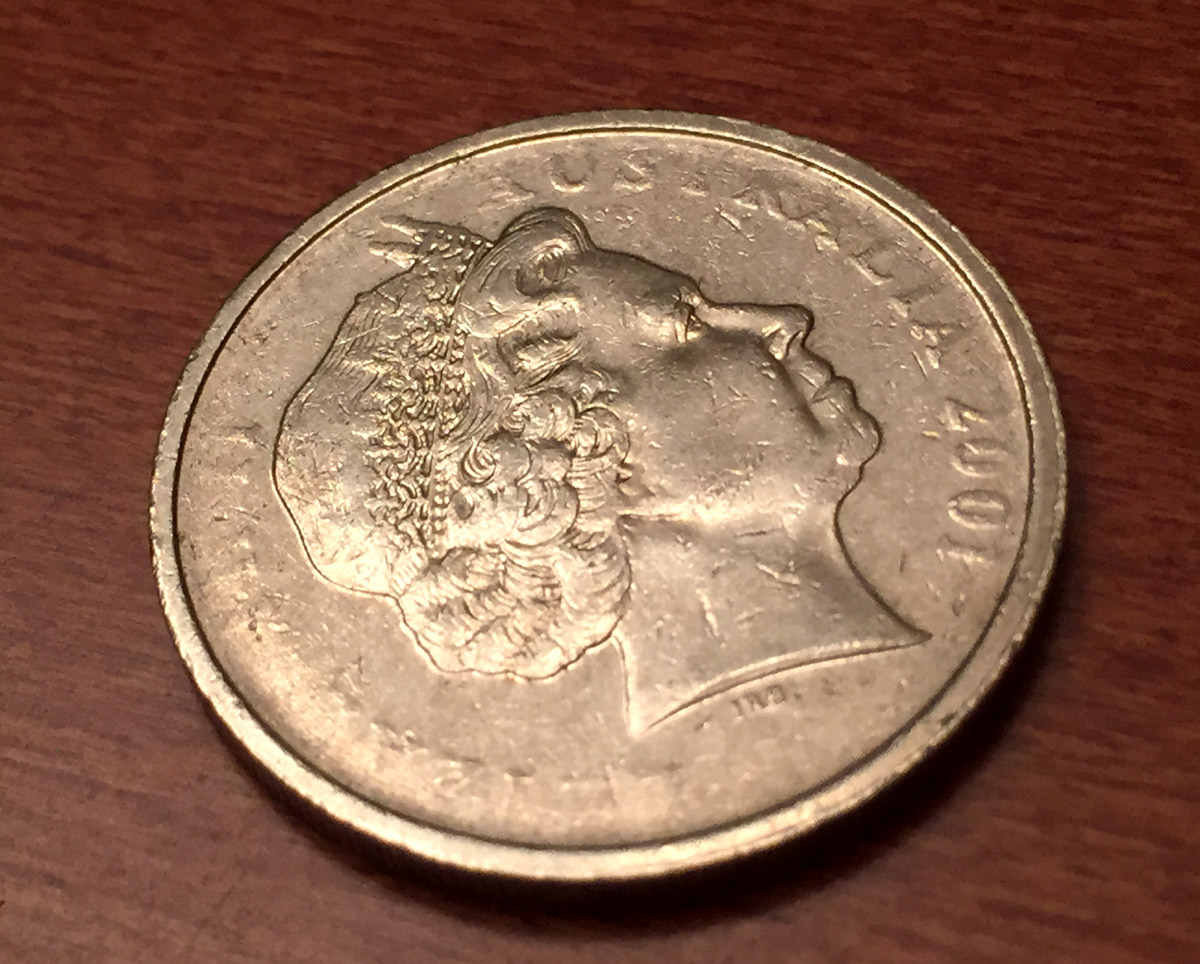
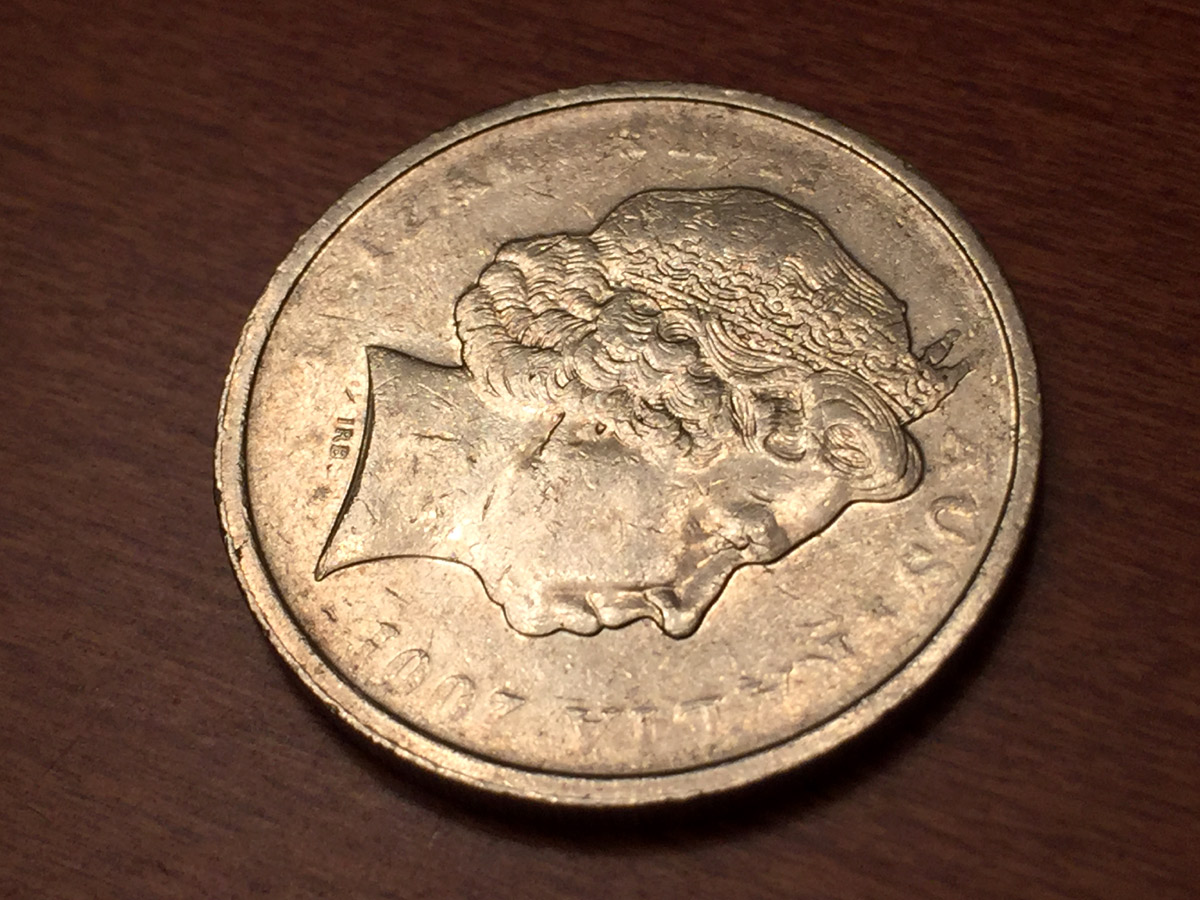
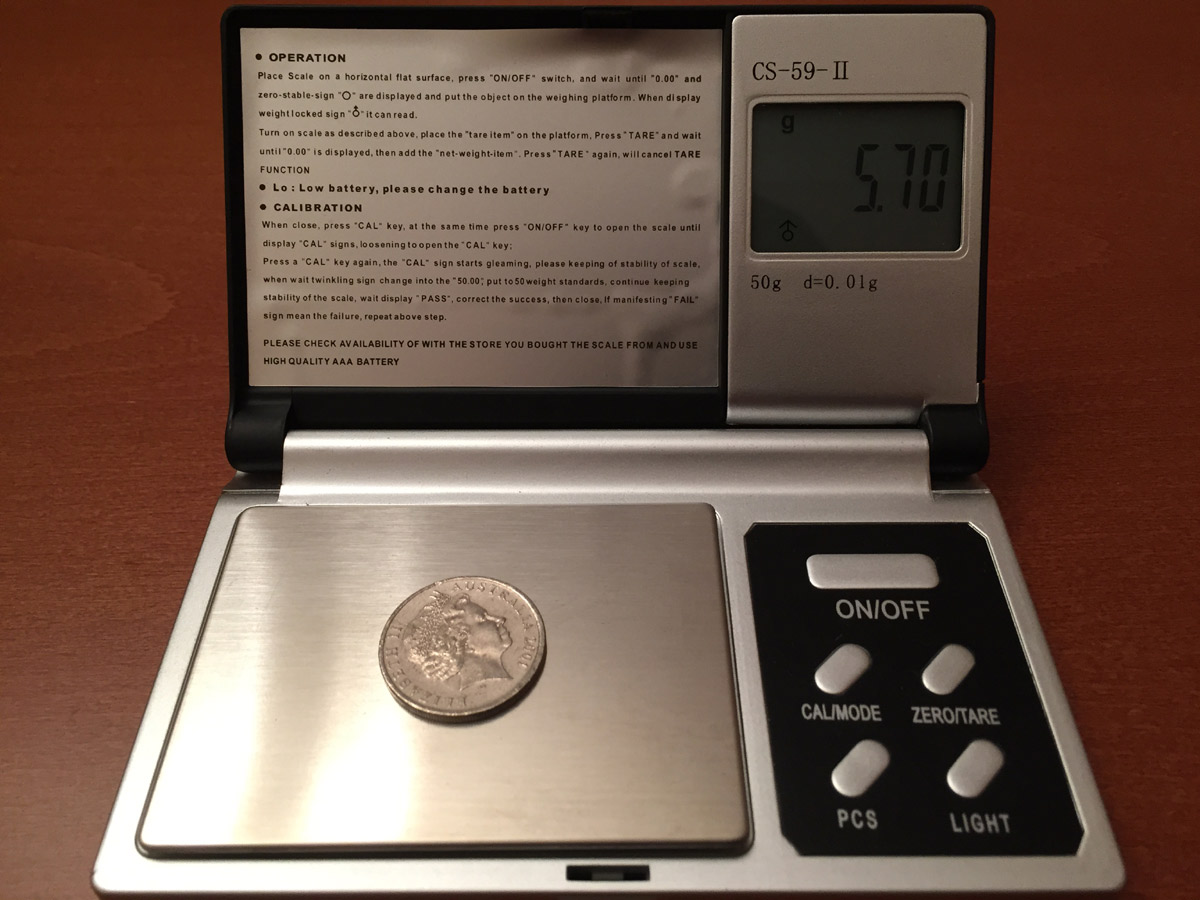
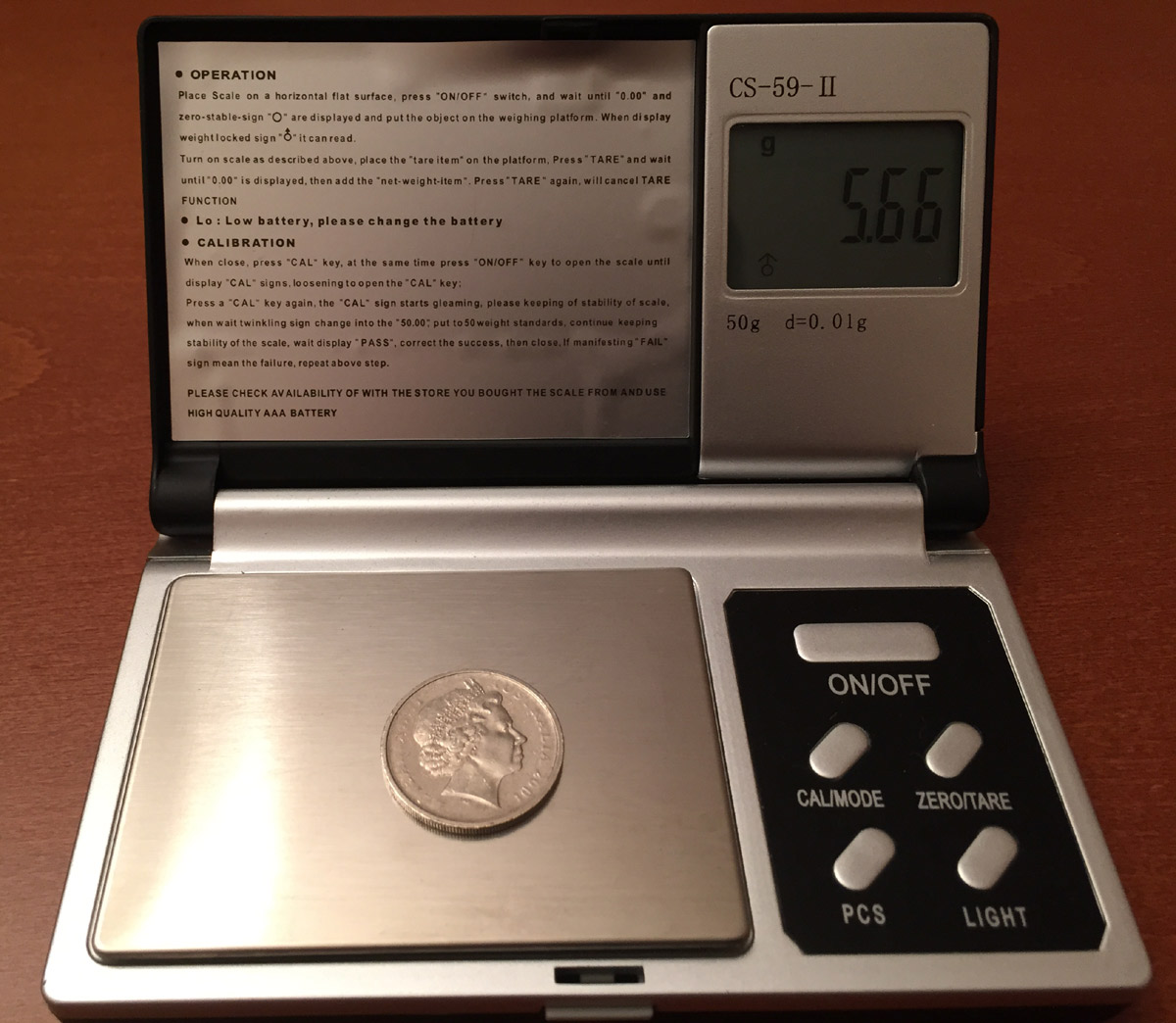
Quote from: 'Goldseeker' pid='45672' dateline='1396525510'If you go to the Forums Gallery section , top right of screen, and go to GOLDSEEKERS postings, you will see quite a few different grades of Mules that I have found and posted.
Quote from: 'robbiegal' pid='45765' dateline='1396594308'great pics
thanks for giving it a go
and ps - that coin looks like a nice higher grade $1 MOR's to me
Quote from: 'Unicorn' pid='45912' dateline='1396678256'Ten points for effort and pics there Guest.
I'm pretty sure that most of the circulation wear would result from contact with other coins (of all sizes). Considering the shape of same I don't think wear would be as evenly distributed as your test suggests as the amount of flat coin on flat coin circulation wear would likely be just a part of it. Curved / angled edge to flat coin surely has a large impact.
Just a thought.
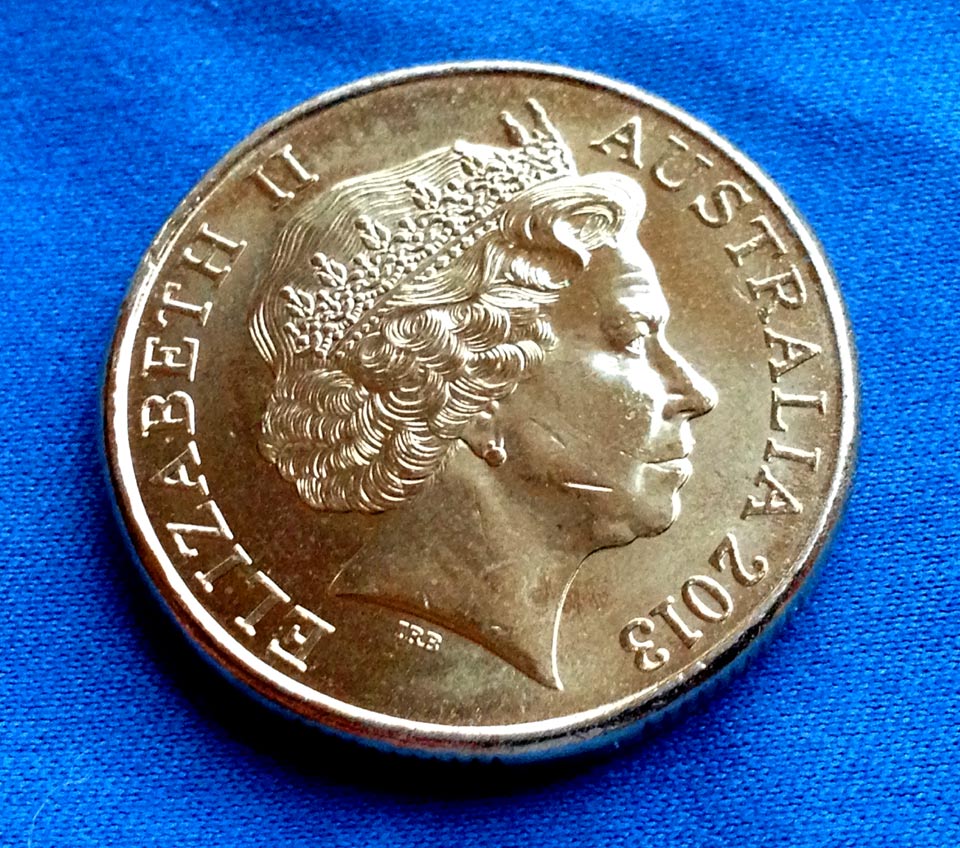
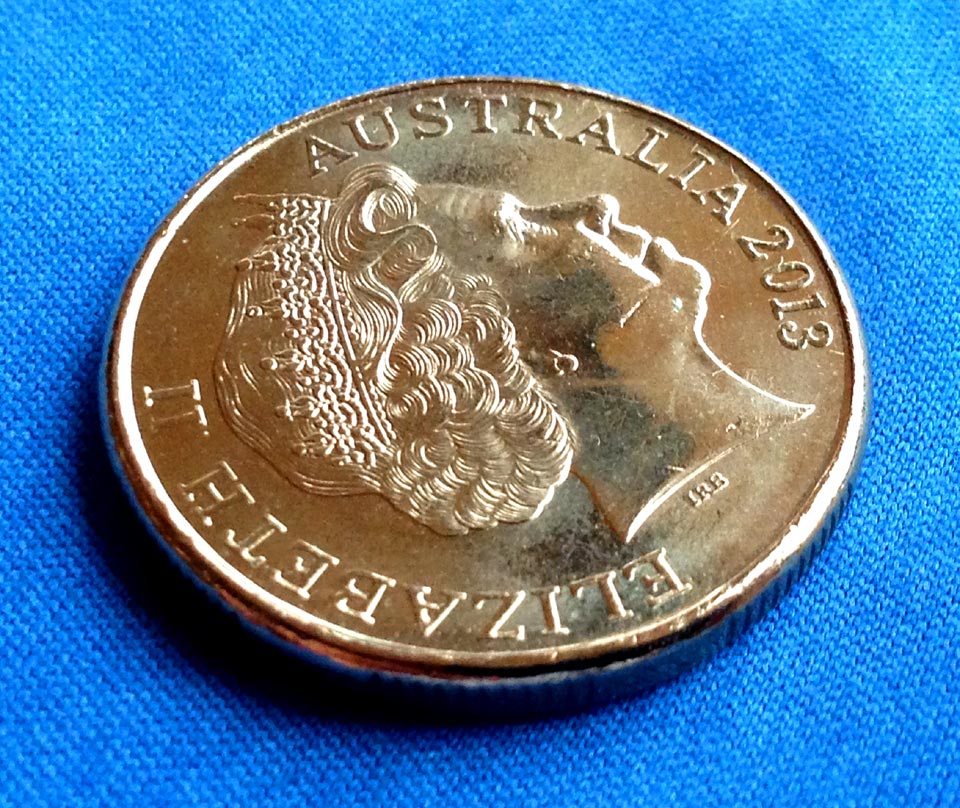
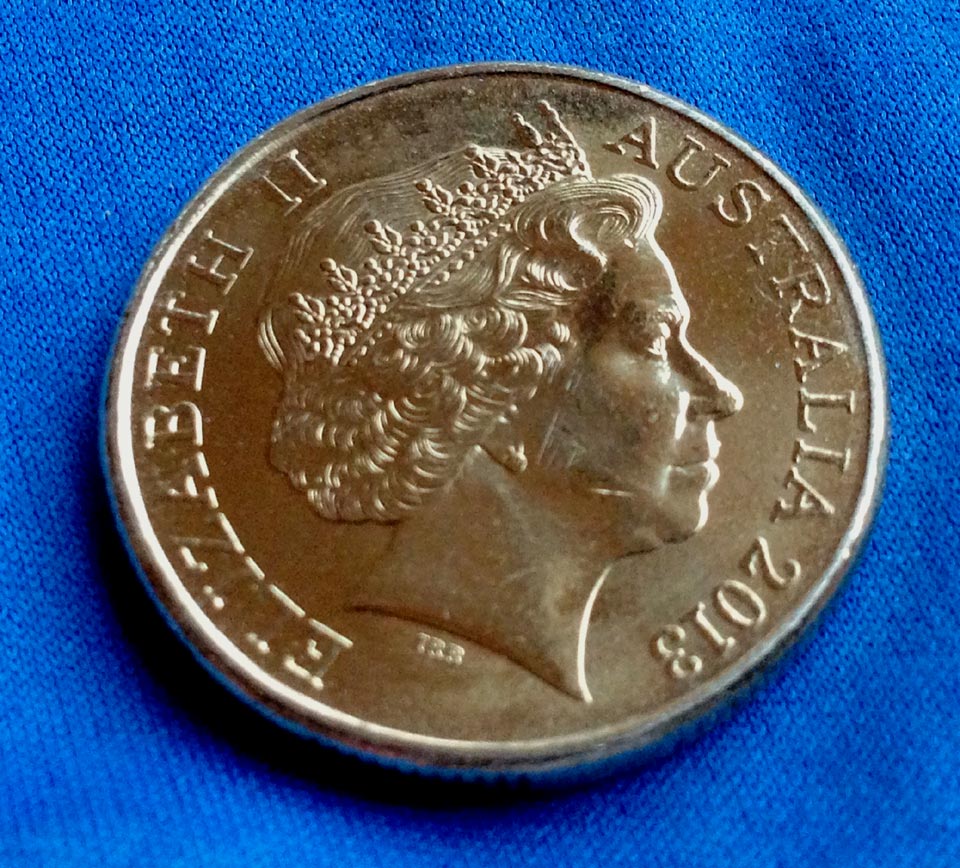
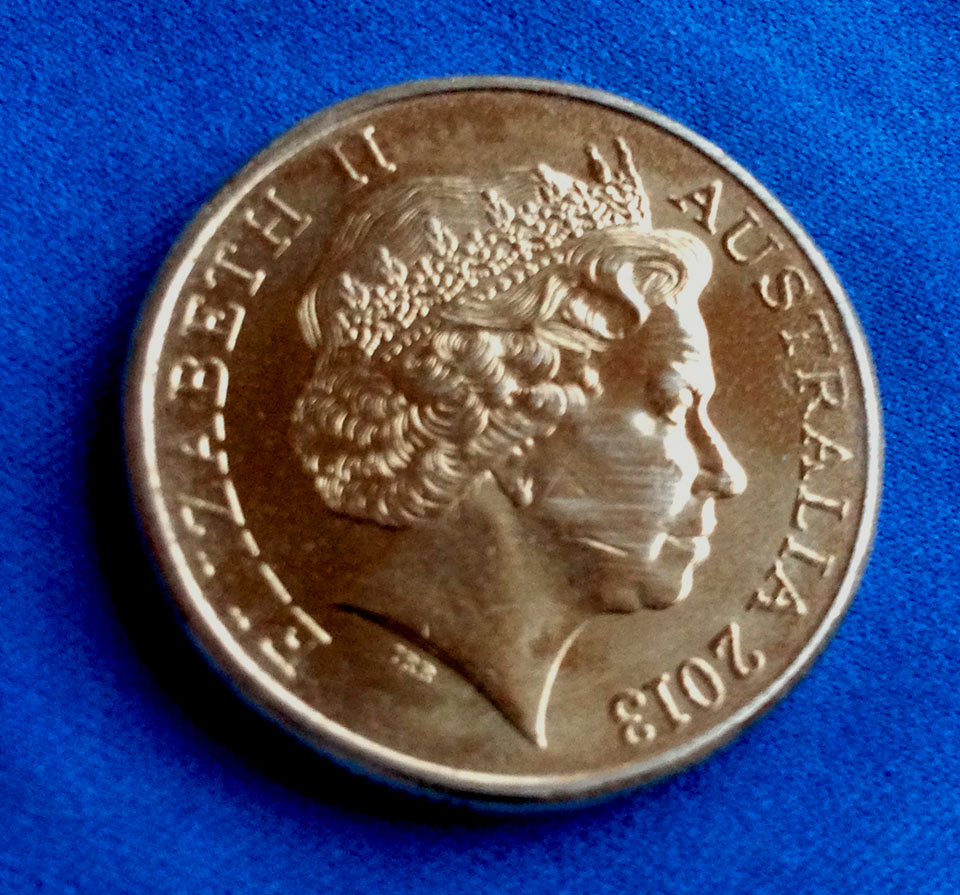
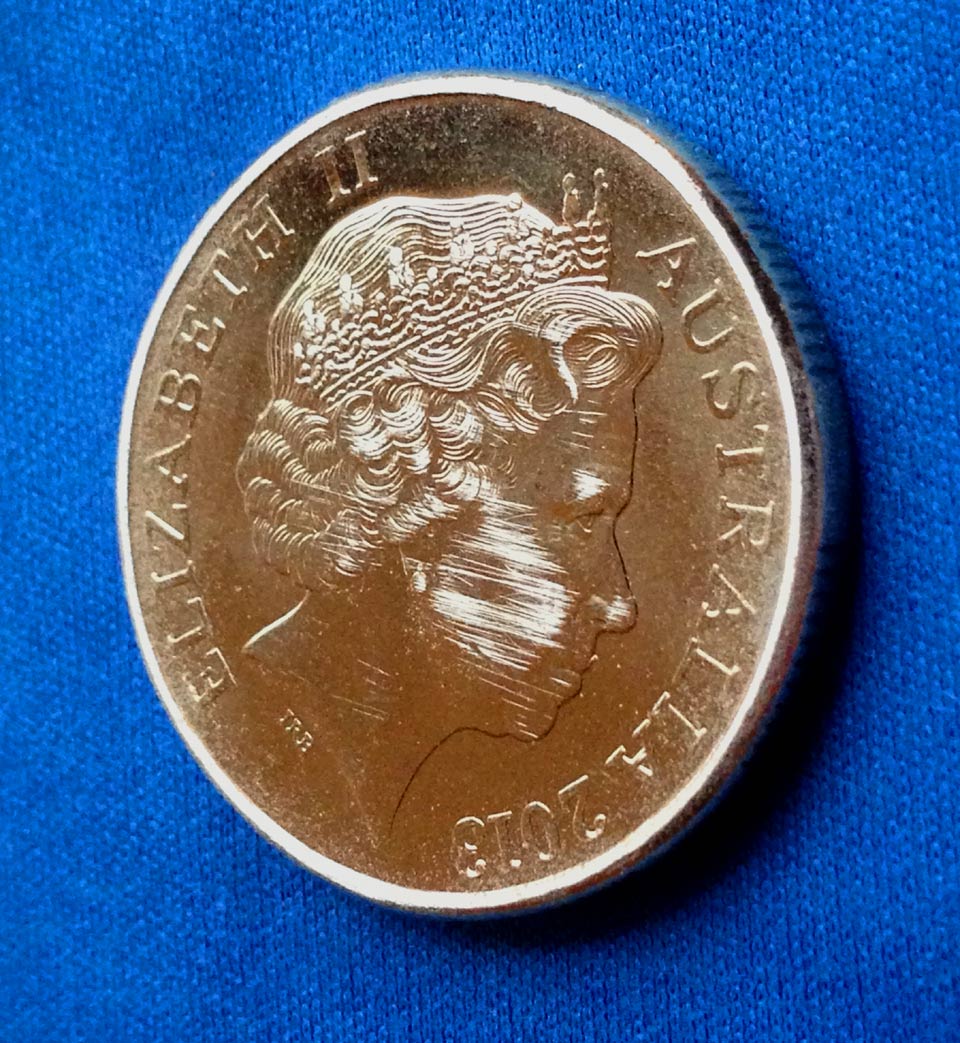
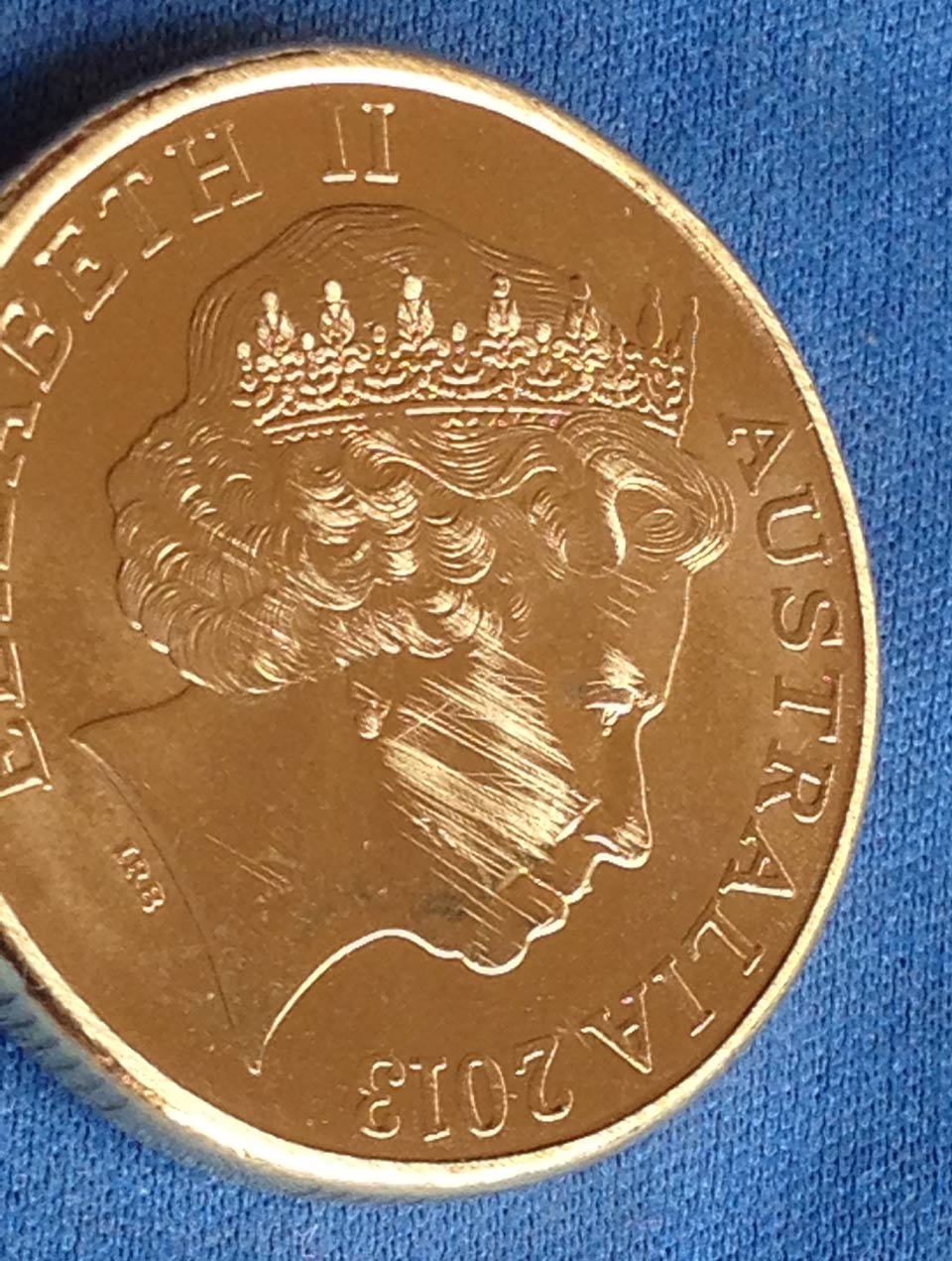
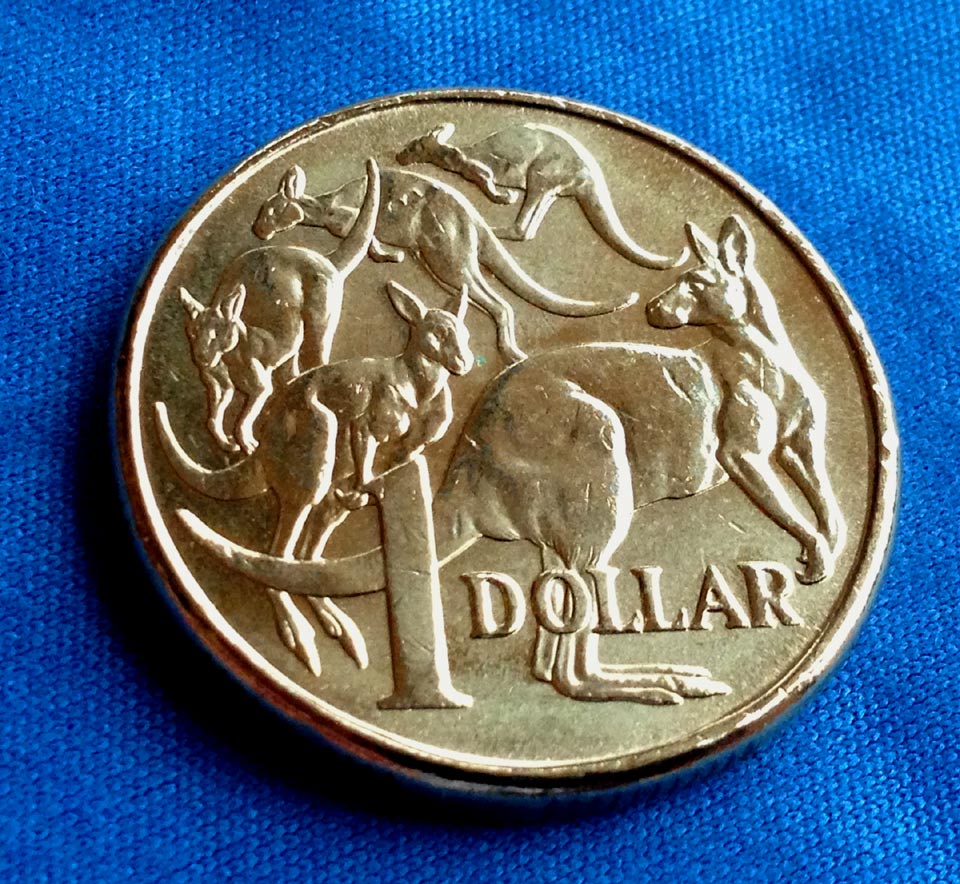
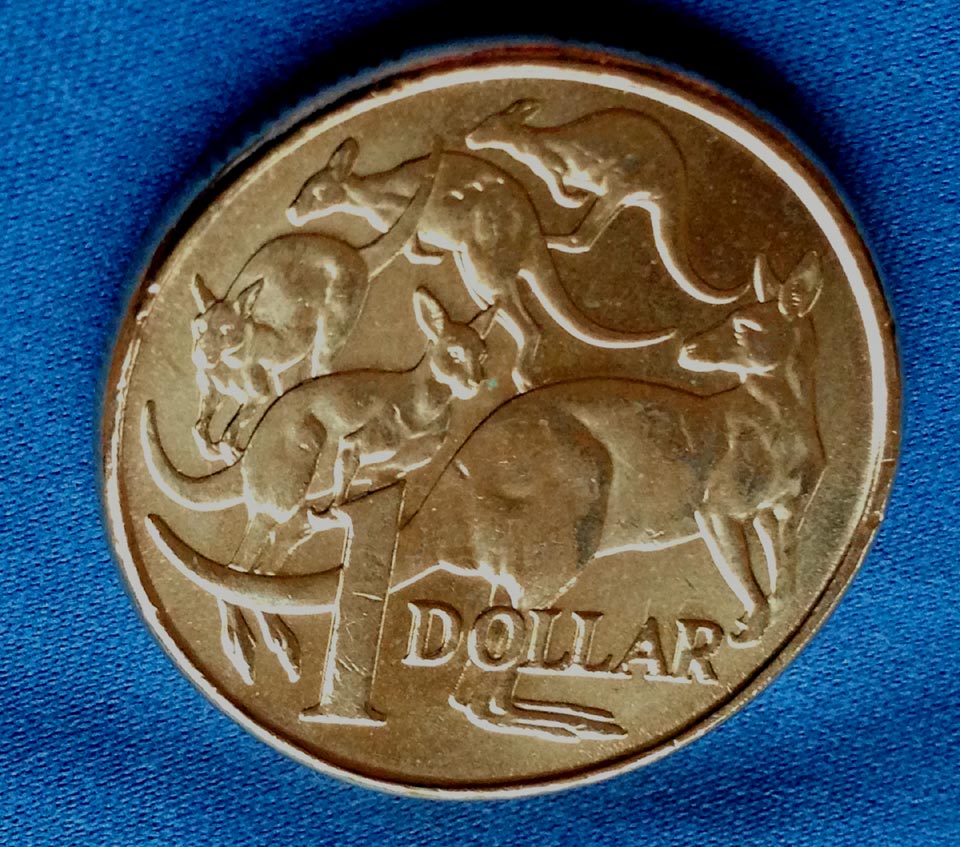
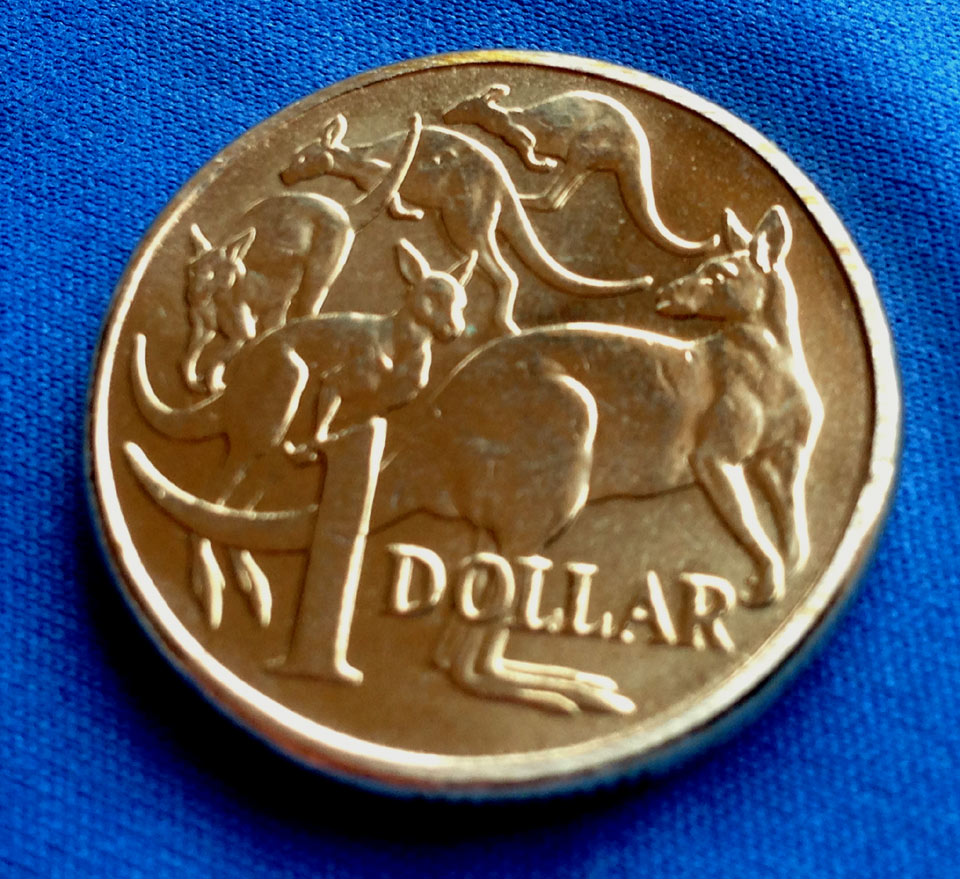
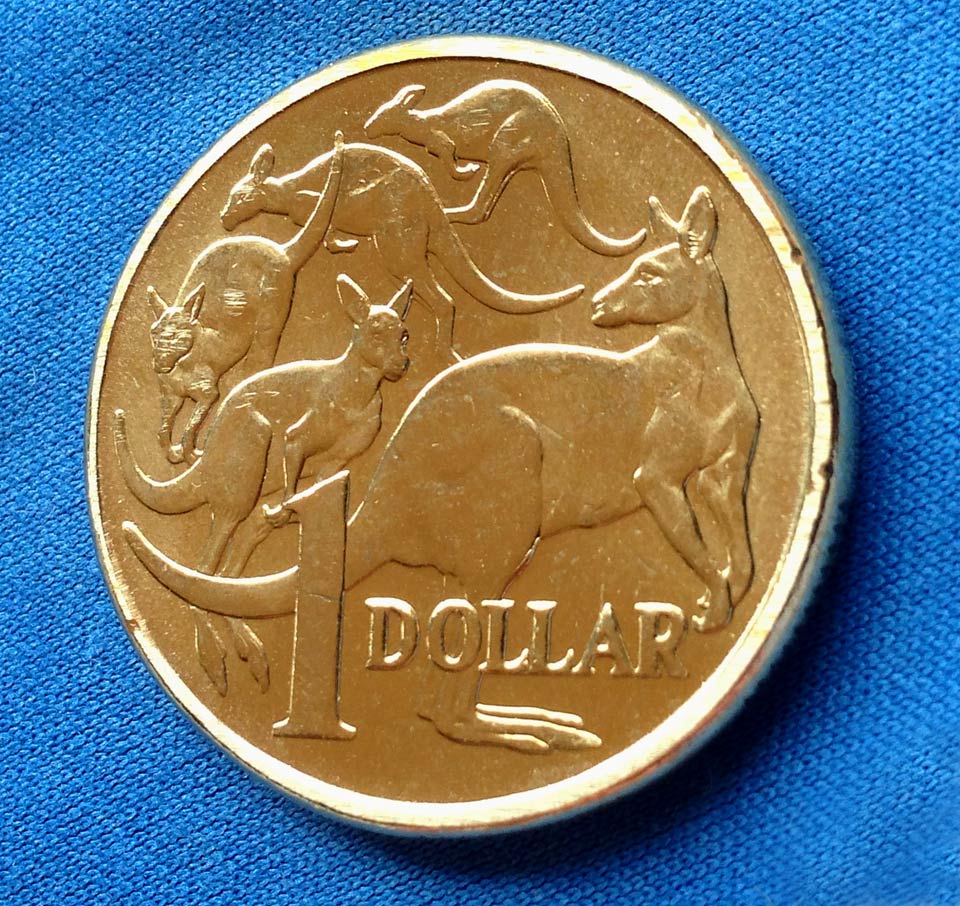
Quote from: 'Fulvio' pid='45738' dateline='1396579065'Quote from: 'Guest1595' pid='45704' dateline='1396566803'establish where the high spots are on both the Obv and Rev sides for the Australian $1 coin, so as to be able to grade circulated samples ( not as important for common dated/types i agree, but of particular importance with respect to the $1 mule). And i believe the best way would be via images of the coin with an overlay/ highlight of the susceptible highpoints/areas.
I'm not arguing that knowing what to look for is a bad thing. Its not. For all denominations, not just the $1. Knowledge is always good.
What I'm arguing is that it isn't really important for decimals vs predecimals. According to PCGS, there are 400 mules. I don't believe them, as we've pretty much deduced there's an order of magnitude more than that. But its still a tiny population. In which it very much comes down to the individual coin, not whether its half a grade more or less worn. Except for the slabbed ones of course. For which its PCGS's opinion that counts, not ours.
Grading is far more important for predecimals, where the populations are far higher. Not a lot of early coins got hoarded in UNC, so its more important to split hairs over coins that spent 40 years jingling around in pockets. That's not the case for most decimals, where high grades are easy to come by, making it a pretty pointless excercise, at least for now.
Even for the mules, its equally pointless. As a collector, any mule is desirable. As an investor, its all about value, and that means slabbing. So grading becomes a matter of "is this coin good enough to spend the slabbing fees on?". For which the answer is certainly "yes" if you found it and want to sell it. So the only people left to care must be those who bought or are looking to buy a raw coin, with a view to slabbing and reselling. A minute subset of both collectors and mule owners, I reckon.
Anyway, I'm clearly at odds with everyone else, so I'll shut up now. :angel:
Quote from: 'emu666' pid='45739' dateline='1396580158'Quote from: 'Ozcoins' pid='45726' dateline='1396576592'Is there really any difference between 'wear/grading' on a mule vs MoR?
I would expect that the same wear and grading would apply to both?
Yes but there is a small difference. The obverse of a mule will wear slower than the obverse of a normal dollar coin as the design is protected a little more by the higher outer rim.
Quote from: 'Ozcoins' pid='45726' dateline='1396576592'Is there really any difference between 'wear/grading' on a mule vs MoR?
I would expect that the same wear and grading would apply to both?
Quote from: 'drakesterling' pid='45683' dateline='1396545101'Guest, there's a website run by a collector with images of PCGS-graded mules in the various grades:
http://www.dollarmule.com.au/id2.html
(The link from AJ is also good, tohugh.)
If you'd like your mules graded, send me a message and we can talk.
Eric
Quote from: 'Fulvio' pid='45688' dateline='1396551779'Quote from: 'Guest1595' pid='45668' dateline='1396524690'sorry but I don't know how to make it blow up to a decent size
Use the gallery... its the easiest way. You can then post inline images with the img tag, which will display at full size.
Lovely coin, and the pics aren't bad either.
Now, as to grades and investments... oh my, where to start?
For the most part, we're coin collectors here, not money collectors. Yes, grading affects demand and competition and drives up prices... hence the $12k mule vs the $750. But does it really matter what that cheaper coin grades at? Clearly its not MS, and that's pretty much the end of the story, really. A single grade may make a huge difference at the top end of town, but the majority of these things are well circulated, and grade isn't the major factor.
And even if we're talking about an MS coin, what we grade it at is irrelevant anyway, since people are buying the slab and not the coin. Much has been written about slabbing, so I won't rehash it here. Suffice to say slabbing has little to do with coin collecting, and much to do with money collecting.
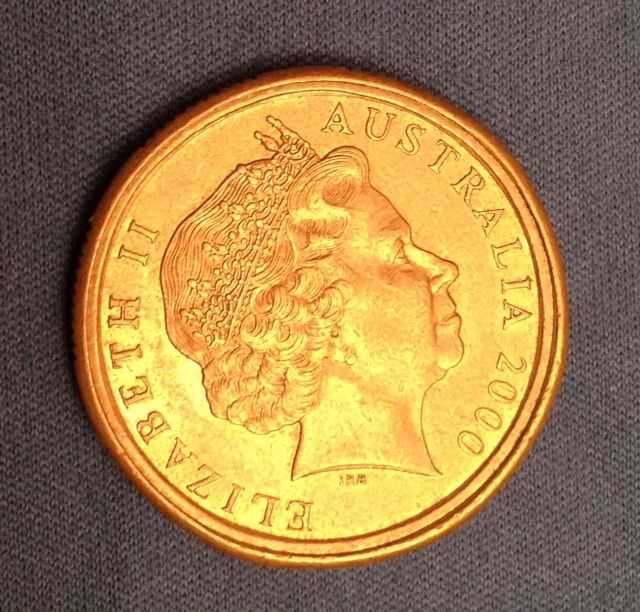
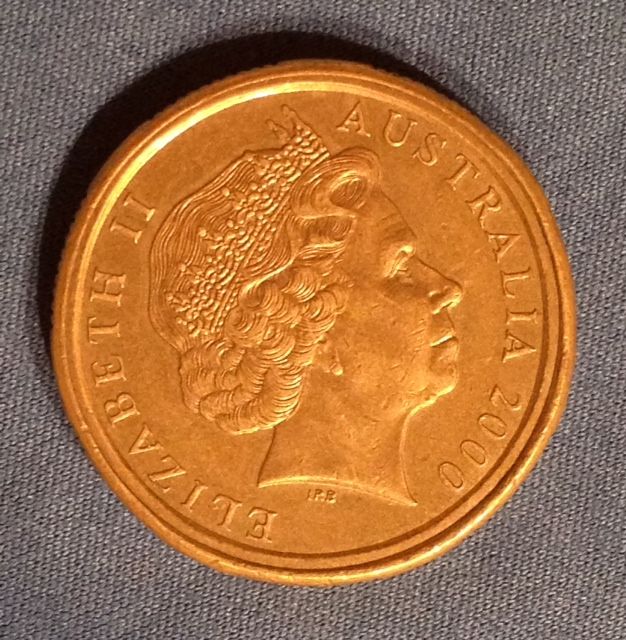
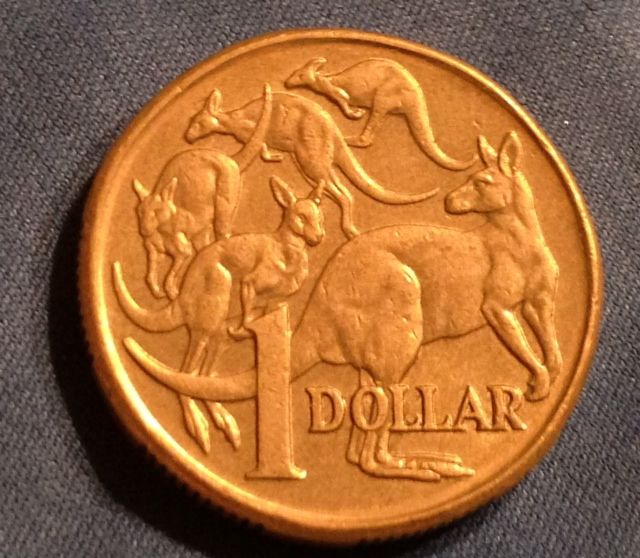
Quote from: 'Fulvio' pid='45593' dateline='1396498180'Quote from: 'ausjack' pid='45586' dateline='1396477832'this all seems a bit pointless than as there's not that many "collectors" of mules
I'll kinda go along with that.
I found mine, and everybody I know who has one (or 40-odd...) found theirs. I don't think I know anyone who bought one, and grades are irrelevant. Its a mule, one of maybe the second-rarest aussie coin ever, and any mule is desirable, regardless of condition. Plus, remember it was four years before they were spotted. There are what, six UNC examples out there?
Sorry mate, but I put the hair splitting down to as pointless an excercise as it is with 1930 pennies. Completely irrelevant to 99.9% of collectors, most of whom would never own either.
At the end of the day, centering is the most important factor with these coins. So that further narrows the scope, as a given coin must be compared with similarly-centred examples, not the entire population.
Quote from: 'ausjack' pid='45565' dateline='1396441811'mmm now your sort of talking about something a bit different as there's a lot that makes a coin, eg how centred it is also come into it when talking about mules :winkextra:
